

Nothing about this is new, because rappers have always flexed their finances. It’s a part of the genre’s visual language with gold on the wrist, foreign keys in hand, and entire lifestyles bought in cash. Yet, somewhere between the Rolex and the wire transfer confirmation, a pattern surfaced. Flexing wasn’t just aspirational anymore because for some rappers, it became evidence of scams or fraud.
The pressure to look rich in Rap hits harder than ever. It’s not just fans expecting luxury. Labels want viral visibility and blogs want aesthetics. On social media, well, that beast demands constant content. Jewelry has to be expensive and the trips unlike any other. All tags are designer and it has to appear effortless, even if the invoices say otherwise.
Read More: Swizz Beatz Denies $7 Million Fraud Allegations Linked To 1MDB Scandal
Moreover, streaming revenue can’t cover this life. Advances vanish in taxes, legal fees, entourages, and stunt purchases designed to bait the algorithm. Behind the scenes, many up-and-coming artists are one eviction notice or bounced check away from collapse. Still, the public demands more.
In that climate, fraud isn’t just a hustle but a strategy. For some artists, wire fraud and credit card schemes aren’t simply about greed. They’re about survival and access. It's a shortcut into the elite aesthetic class of Hip Hop, where success is first seen, then verified.
In some cases, it works. For a while. However, the receipts stack up. What starts as a flex sometimes ends in a federal indictment.
The Scam & Fraud Cases: Artists Who Got Caught Up
JT (City Girls)
In July 2018, as the City Girls were climbing the charts and catching the ear of mainstream radio, Jatavia Johnson, JT, was turning herself in to begin a 24-month sentence in federal prison. She was convicted on charges of aggravated identity theft and fraudulent use of credit cards, stemming from a 2016 arrest in Florida. According to court records, JT had used stolen personal information to make unauthorized credit card purchases totaling thousands of dollars. The fraud occurred before the group had signed to Quality Control, but sentencing hit just as they were blowing up.
Read More: City Girls' JT Turns Herself In To Police On Fraud Charges
The timing could’ve ended most artists. Instead, it branded her. Yung Miami, her groupmate, carried the momentum solo, releasing music and videos with JT’s pre-recorded verses while publicly holding the duo’s image intact. That effort mattered. When JT was released to a halfway house in October 2019, City Girls were Platinum-certified hitmakers.
G Herbo
The puppies did it. Designer dogs, allegedly flown in under a fake name, billed to a hacked credit card, were traced back to a Chicago rapper who’d already made Forbes’ 30 Under 30. When the indictment dropped in 2020, G Herbo wasn’t some struggling artist cutting corners. He was established, making the 14-count federal case hit harder.
Read More: G Herbo Receives Sentence After Pleading Guilty To Wire Fraud
Federal prosecutors outlined a scheme that stretched from Boston to Beverly Hills. Herbo, real name Herbert Wright III, and his crew were accused of using stolen IDs and card data to fund private jets, Jamaican villas, luxury car rentals, and the now-infamous purchase of purebred puppies. The fraud totaled hundreds of thousands. In 2023, Wright pleaded guilty to a single count of wire fraud and one count of making false statements to federal agents. He was sentenced to probation, restitution, and community service.
Guerilla Black
By the time federal agents caught up with Guerilla Black, his Rap career was already in retreat. However, the scale of his scheme was ambitious. The Compton rapper, born Charles Tony Williamson, pleaded guilty in 2013 to trafficking in more than 27,000 stolen credit card numbers.
The Department of Justice's website shared: "WILLIAMSON was indicted in July 2012, following the investigation into point of sale hacking at a restaurant in the Magnolia neighborhood of Seattle and a retail store in Shoreline, Washington. Two men have already been sentenced for their roles in the hacking scheme. David Benjamin Schrooten, 21, a Dutch citizen arrested in Romania, where he operated a carding website making the credit card numbers available for fraud was sentenced in February 2012 to 12 years in prison. Christopher A. Schroebel, 21, of Keedysville, Maryland, who hacked into point of sale systems to steal credit card information was sentenced to seven years in prison in August 2012. Schroebel was a key supplier of credit card information to WILLIAMSON."
Read More: Guerilla Black Arrested For Role In Major Credit Card Scam Operation [Update: Guerilla Black Pleads Guilty]
Sentenced to over nine years in federal prison, Williamson’s case barely rippled through Hip Hop headlines. He’d once been marketed as the "second coming of Biggie," but the industry moved on. What makes his story significant isn’t fame. It’s scale.
Willie D
The laptops were never real. Willie D was accused of setting up an online storefront promising customers high-end electronics. However, the merchandise never came. What looked like a tech hustle unraveled into a federal case.
Read More: Ray J Accuses Kim Kardashian & Kris Jenner Of Fraud During Prison Call With Suge Knight
The purported fraud pulled in nearly $200,000 from overseas buyers before charges were filed. Prosecutors laid out a clear narrative of false identities and a deliberate effort to deceive. Willie D pleaded guilty. The sentence, just over a year in federal prison, came with a restitution order and supervised release. For one of Southern Rap’s most politically vocal artists, the conviction marked a quiet but definitive turn.
Sean Kingston
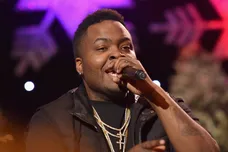
Sean Kingston was everywhere in the 2000s with multi-Platinum singles, teen magazine covers, and hit collaborations with Justin Bieber. When we reached the 2020s, the singer was allegedly finessing high-end electronics, watches, luxury furniture, and music equipment through elaborate wire fraud schemes.
Read More: Sean Kingston & His Mother Must Pay Fraud Victim Almost $40K
According to a sweeping indictment, Kingston, real name Kisean Anderson, conspired with his mother to defraud multiple businesses by promising wire payments that never arrived. He leveraged his past celebrity to lull vendors into trust, then allegedly walked away with merchandise worth hundreds of thousands. In May 2024, he was arrested. That August, he’d pled guilty to federal wire fraud and was sentenced to 42 months in prison.
NBA YoungBoy
These charges didn’t come from music. Authorities in Utah accused NBA YoungBoy of operating a prescription fraud ring that used fake doctors and phony patients. Further, they claimed the rapper and his cohorts forged medical documents to illegally obtain prescription drugs.
Read More: Lil Wayne Acts Oblivious When Asked About COVID Relief Fraud Allegations
Prosecutors reportedly said the scheme involved multiple accomplices and used real people's names and health insurance data without consent. Orders were placed at local pharmacies for opioids, sedatives, and controlled substances. However, YoungBoy avoided prison time. He entered a no-contest plea to identity fraud and forgery, paid a $25,000 fine, and was allowed to return to his home in Louisiana.
When The Hustle Costs Everything
These cases are about the collision of capitalism and culture in an industry that often demands more than it pays. In a space where worth is visual and access is performative, fraud becomes a tool. While some used it to climb, others used it to keep from falling.
Read More: Brittish Williams Posts Prison Update Following "Basketball Wives" Star's Fraud Scandal
The consequences vary. Probation, prison, dropped charges, careers stalled or strangely boosted. Yet, in each instance, the cost was more than what the court demanded. It was trust and credibility at the expense of one's reputation. Sometimes freedom. That kind of debt doesn’t get easily cleared, but it hasn't halted rappers from reaching success.