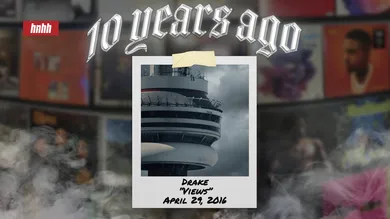


Drake’s defined moments, seasons, years—that’s kind of been his thing. You can probably remember the transition into the winter of 2011 when he dropped Take Care, the spring of 2017 when he went international on More Life, or more recently, the summer he went electronic with Honestly, Nevermind. But nothing quite captures his ability to create seasonal soundtracks like his run between 2015 and 2016. The release of If You’re Reading This It’s Too Late on Valentine’s Day 2015 felt cold, grim, and like a coming-of-age moment for an artist whose boyish naivety once fueled his crossover appeal. And Views, well, that was the soundtrack of summer 2016—a prophecy he declared on “Summer Sixteen”—but it also encompassed the fluctuation of seasons in Toronto, from when the snow sets and ice freezes over the roads to when it melts, and the sun casts itself over the city.
But the aftermath of If You’re Reading This It’s Too Late is what made Views possible and necessary. Drake had already shown the potential of becoming the next heir to the throne. His pen was as sharp as ever. The consistency of each record he dropped, whether R&B or rap, held weight from headphones to clubs to car stereos. He was ubiquitous, pushing rap to new heights. IYRTITL is the last project where Drake could credibly claim “best rapper alive” without an asterisk.
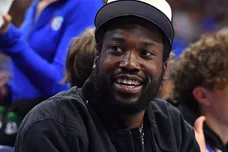
That trajectory stalled the moment Meek Mill questioned his pen. It shifted things drastically for Drake. It’s not like he bowed out of rap—“Back To Back” had the summer on lock, proving the competitive spirit of an MC still lived inside him. Just when doubt crept in, he doubled back with a diss track that arguably ranks among the best. The hunger that carried from So Far Gone to Nothing Was The Same, peaking on If You’re Reading This, remained potent across loosies, singles, and features from that era.
But the damage was done. Even after a Grammy nod for “Back To Back,” it was difficult for Drake to argue he was the greatest MC alive when he’d been credibly accused of outsourcing the fundamental act of writing. He could frame it as collaboration or point to industry norms, but people still cared about bars then. When you’re responsible for shifting rap toward pop accessibility while becoming its face—and then violating a cardinal rule—there’s bound to be pushback on where you belong.
Views became an inevitable pivot we’ve seen many rappers make once the creative fuel starts to dwindle while demand remains high. Because of everything that preceded it, it also marked the moment Drake abandoned the pursuit of being the greatest rapper alive and reoriented toward becoming the biggest artist alive. He didn’t abandon greatness out of necessity, but he recognized that scale offered more power than purity. And if we’re being honest, Meek Mill’s crash-out may have backfired for him professionally and personally. However, it had a clear, under-discussed impact on Drake’s trajectory. It made him bigger, sure. It also cost him credibility, something that still lingers in other battles.
Views was a more defining moment in Drake’s career than being exposed for using ghostwriters, largely because rap’s purists represented a niche demographic as streaming rose on the back of hip-hop’s mixtape era. Drake understood the assignment early, which is why Views was initially released as an Apple Music exclusive.
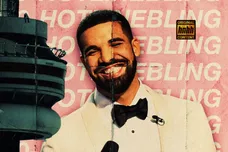
It was clear a shift was happening when “Hotline Bling” became culturally pervasive, producing memes and influencing aesthetics through its video. The real turning point came when he dropped two singles, “Pop Style” ft. The Throne (Jay-Z and Ye) and “One Dance.” Ten years later, only one remains in rotation, and the audience had already chosen which version of Drake mattered more.
The globalization of rap depended on how Drake navigated the commercial landscape. “One Dance” ft. WizKid and Kyla marked the onset of Afrobeats dominance in America—a trend that still holds. For Drake, a song like this translates globally, from Toronto to Lagos, Los Angeles to London, and beyond. It was an infectious anthem that defined that summer. Alongside the dancehall-tinged “Controlla” and the tropical R&B inflections of the Rihanna-assisted “Too Good,” Drake capitalized on a global shift in sound he’d seen forming in places like the UK and scaled it up. The biggest songs off Views didn’t feature him rapping at all. That itself underscored how he turned a reputational loss into a victory lap.
That isn’t to downplay the moments where he does rap, because those remain standout entries in his catalog. The first half of the album holds some of his strongest work, where his pen as both songwriter and lyricist is unfuckwittable. “Weston Road Flows” offers regional storytelling rooted in childhood memories of Toronto, punctuated by 40 and Stwo’s lush flip of Mary J. Blige. “U With Me?” lets Drake’s quintessential romanticism flourish in a way that feels absent today, where past relationships carried longing, not just possession. It shows in the writing: the millennial-coded dissection of feelings through texting habits, once organic to his brand but now closer to a meme. Across these moments, from “Hype” to “Still Here,” he proved the ability never left. The unfortunate realization about it is that it stopped being the focus.
Ultimately, Drake as a rapper became secondary to the project itself. He wasn’t pushing boundaries like before, but refining a formula he’d spent the previous decade building. It’s clear on songs like “Grammys” ft. Future, which can’t hold a candle to anything on What A Time To Be Alive. Even “Fire & Desire,” despite being a cherished R&B cut, doesn’t feel like it’s trying to do anything new. Still, they worked. Views had strong rap records, but they didn’t define it the way his melodic output did.
Views embodied what Drake has been for the past decade: a global enterprise that resists being boxed in. Whether that’s a gift or a curse depends on who you ask. Upon release, one of the biggest criticisms was its length, 19 songs plus a bonus. But it also set a template for dominance, where long tracklists became a streaming strategy, often at the expense of cohesion. While Views captured seasonal shifts in Toronto with interludes of wind and water tying it together, later projects lacked that focus. They became smorgasbords of the sounds Drake experimented with. He leaned further into being a cultural chameleon, blurring the line between homage and appropriation depending on perspective—Atlanta one day, Jamaica the next—while still representing Toronto’s melting pot. Views showed he could be the most adaptable artist if he wasn’t accepted as the purest rapper.
The reality is, when you try to fit all these influences into one album, cohesion suffers. What doesn’t is the commercial appeal that’s made him the biggest rapper on Earth. This is the same artist whose album rollouts became reference points for multi-billion-dollar corporations across the globe.
Ten years later, Drake’s place in rap feels as contested as it did when Views dropped. While he defeated Meek and emerged victorious, the circumstances heading into Iceman are different. Views isn’t where Drake peaked as a rapper, but it is where he redefined what winning in hip-hop looks like. The ghostwriting claims didn’t hurt his pockets by any means. Unfortunately, they became a narrative nuisance that has stuck since. Regardless, he changed the rules of success in a genre where fans are fickle, and built a model that still hasn’t failed him.