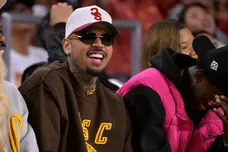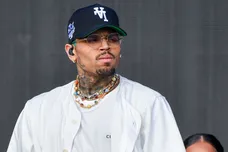
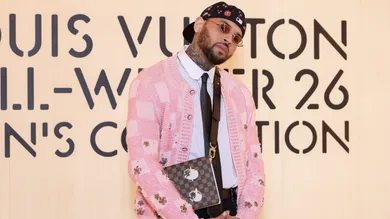


Chris Brown is looking to control the narrative as best he can as a trial for his dog attack lawsuit approaches. Per Rolling Out, the singer's team filed a court order to prohibit Patricia and Maria Avila from bringing up his checkered past with Rihanna. The motion also looks to bar their legal counsel and any potential witnesses from doing so.
They are doing this as a precaution, as Brown's reps believe the opposition would try to revisit it. Particularly, they are trying to avoid the 2009 assault ordeal. The "Look At Me Now" artist plead guilty to felony assault, served five years of probation, and participated in community service and mandatory counseling.
They're arguing that incidents this long ago shouldn't be used against him in court. Brown and his team are looking to keep the discussions in court to the alleged dog attack and nothing more.
Speaking of which, Maria Avila is the ex-housekeeper who was allegedly mauled by the star's pet, Hades. She has also claimed that she needed immediate surgery and is dealing with permanent bodily damages. The latter allegedly includes disfigurement, nerve damage, and partial blindness.
In May 2025, Chris Brown fought back against other claims that he did nothing to assist Maria afterwards. They filed a statement from Animal Control Officer Angela Hooks. In her report, Brown and a security guard jumped into action right after they heard screams.
Read More: Is Kai Cenat’s Vivet Pivot Performative?
Chris Brown's Docuseries Lawsuit Dropped
Lastly, they argued that Hades was a very friendly dog, but that Maria also ignored clear warnings from security staff about avoiding unsupervised contact with him.
But this isn't all Brown is having to tackle legally. Earlier this month, he learned that his $500 suit against Warner Bros. and it's production house, Ample, had been tossed. He was accusing them of issuing false and defamatory claims about his legal history in a docuseries.
Judge Colin Leis made the ruling, essentially saying the complete opposite. "The court has personally viewed the entire documentary. The documentary recites most of the inconsistencies plaintiff notes, including the existence of the text messages. Media defendants thus presented a ‘fair and true’ report of [the woman’s] statements and the judicial record and proceedings."