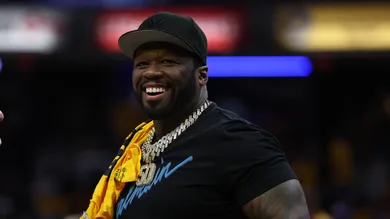


50 Cent's ex-girlfriend, Shaniqua Tompkins, says that she was pressured into signing away the exclusive rights to her life story. She did so after they broke up in 2007. Tompkins recently explained her side of the story in court. 50's publishing company, G-Unit Books, is suing her for discussing their relationship on social media and in various interviews.
According to AllHipHop, Tompkins says that when she signed the deal, she was a stay-at-home mother and “entirely financially dependent on [50 Cent]." She claims his then-manager, the late Chris Lighty, told her she “had to sign the agreement” despite not wanting to do so. Tompkins even says Lightly warned of "severe consequences" if she continued to decline.
“Fearing for my life and for my children’s lives, I signed the agreement under extreme duress,” Tompkins alleged. She added that she never recieved $80,000 she was supposed to be paid for the deal, instead only getting $35,000. She claims $5,000 went to a lawyer she never hired, but knew for having worked with 50 in the past. Altogether, she says she should not be bound by the terms of the agreement.
Why Is 50 Cent Suing Shaniqua Tompkins?
50 Cent's G-Unit Books originally filed the lawsuit against Shaniqua Tompkins, last summer. They took issue with a series of video interviews she conducted at the time. In them, she alleged that 50 assaulted her during her pregnancy and was abusive throughout their relationship.
“Capitalizing on her recent notoriety from a ‘viral’ post commenting on testimony in the high-profile ‘Diddy’ trial, Tompkins has repeatedly and deliberately exploited the very rights she conveyed to G-Unit Books,” the complaint read.
50's lawyer, Reena Jain, added: “Tompkins’ behavior was intentional—she explicitly referenced the very agreement she breached while she actively breached it, stating it was something that was ‘going to have to be worked out legally.' Jackson purchased these rights to preserve them for use in future biographical or autobiographical projects, but also in part because he was concerned that Tompkins would attempt to monetize their history and his name. His concerns were ultimately proven correct."