


Jeff Staple recently pointed out that sneakerheads only make up about 0.1% of people. He argues most people outside that bubble simply don't care about sneakers.
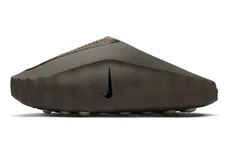
His comment lines up with a different story making the rounds this week. Nike's new Mind shoes have been selling out fast around the world. These aren't hyped basketball sneakers or limited collaborations chasing resale attention. Instead, they're mules and slides built around a wellness-focused idea.
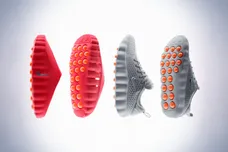
Nike says the shoes use 22 foam nodes placed under each foot. The company claims this setup can trigger something it calls relaxed alertness. CNN just ran a segment testing out these claims for viewers.
Nike's Sport Research Lab says the shoes affect specific brain networks. Their research reportedly shows increased activity tied to sensation and touch. That activity is said to reduce mental drift and steady focus.
None of this leans on rare colorways or scarcity marketing tactics. Instead, it's selling through curiosity about the science behind it. That gap fits right into what Staple was describing earlier. Everyday buyers aren't chasing hype, but they're clearly still buying shoes.
Nike Mind shows people outside sneaker culture still care about footwear. They just care for reasons that have nothing to do with hype.
Jeff Staple's Sneakerhead Opinion
Nike spent roughly 10 years developing the science behind Mind shoes. Neuroscientists reportedly measured brain activity in athletes before and after use. Their research pointed toward increased activity in the sensorimotor network.
The network handles movement, touch, and general bodily sensation processing. Nike says this activity can quiet the brain's default mode network. That's the part tied to mind wandering and repetitive thinking.
The result, according to Nike, is a calmer but still alert mental state. Soccer star Erling Haaland was reportedly among the athletes who tested them. Nike hasn't published peer reviewed research confirming these claims yet.
Still, demand has been strong enough to sell out multiple releases. That success suggests mainstream buyers respond to function just as much as style.