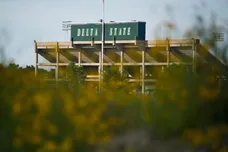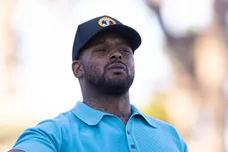
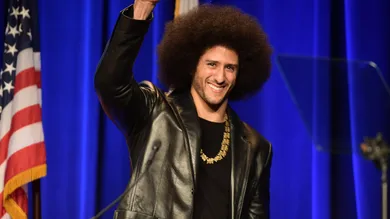


Colin Kaepernick is stepping into the fight for answers in the case of De’Martravion “Trey” Reed, a Mississippi college student whose death has unsettled his community. Reed, 21, a Delta State University student, was found hanging from a tree on campus last week.
The state medical examiner quickly ruled Reed’s death a suicide, but that determination has done little to ease concern. The case has sparked suspicion and grief, resonating against Mississippi’s violent racial history.
Civil rights attorney Ben Crump, who represents Reed’s family, framed the tragedy within that legacy. “Trey’s death evoked the collective memory of a community that has suffered a historic wound over many, many years and many, many deaths,” he said.
On Friday, Crump revealed that Kaepernick would fund an independent autopsy through his Know Your Rights Camp’s Autopsy Initiative. The program covers second autopsies for families who have lost relatives in police custody or under circumstances.
“Peace will come only by getting to the truth,” Crump added. “We thank Colin Kaepernick for supporting this grieving family and the cause of justice and truth.”
Colin Kaepernick Pays For Independent Autopsy of Trey Reed
The Mississippi state examiner performed the first autopsy Wednesday, concluding there was no foul play. Local police handed their findings to the FBI, which said it is open to investigating if evidence suggests a federal violation. Reed’s family, however, has not accepted the official ruling and insists on a thorough independent review once the body is released.
The family has also demanded transparency from law enforcement, calling for the release of security footage from campus. Delta State’s director of public safety confirmed video evidence is under review. However, declined to say whether it shows Reed before his death.
For Reed’s loved ones, the search for clarity continues. “We cannot accept rushed conclusions when the stakes are this high,” Crump said. With Kaepernick’s support and mounting public pressure, the case now stands at the intersection of grief, history, and a renewed demand for accountability.