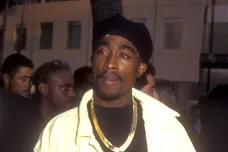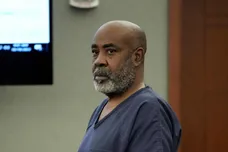


Duane "Keefe D" Davis is accused of orchestrating the 1996 murder of 2Pac. He's currently behind bars awaiting his trial, which is scheduled to begin later this year. Earlier this week, the late icon's stepbrother Maurice "Mopreme" Shakur hit Keefe D with a wrongful death lawsuit on behalf of his father's estate, per the Los Angeles Times. The lawsuit also lists various anonymous co-conspirators. Mopreme is seeking damages related to 2Pac's 1996 murder.
“Many individuals who were involved have long since passed away, while others have been hard to identify,” the complaint reads. “Yet, one thing is certain: there remain individuals who were involved in Tupac’s murder who, for 30 years, have not been held accountable for their crimes. [...] This action seeks to change that."
The lawsuit also alleges that recent developments have “revealed the existence of a broader, more complex conspiracy to murder Tupac that involved much more than mere retaliation for a prior altercation.”
Keefe D's Motion To Toss Evidence
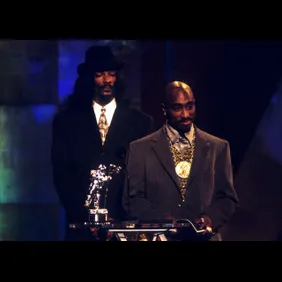
News of the lawsuit comes just a few months after Keefe D filed a motion to exclude certain evidence from his upcoming trial. The motion cited various items seized from his Nevada home during a nighttime raid in July of 2023. His attorneys alleged that the search was unlawful and that investigators painted a “misleading portrait” of Keefe D in the search warrant application presented to a magistrate judge.
"When officers obtain nighttime authorization through bad faith, courts agree suppression is appropriate,” the motion stated. "Bad faith is evident from the face of the affidavit supporting the search warrant. [...] First, the court unwittingly relied on a misleading portrait of Davis as a dangerous drug dealer. When in fact, his drug convictions were [25] years old. He was a [60]-year-old retired cancer survivor that had lived quietly in the same Henderson home for nearly a decade."
"Second, the court overlooked the case-specific urgency or safety concerns Nevada law requires to justify nighttime searches," the motion continued. "[It accepted] instead generic safety theories that would apply to virtually any search of any home."
A judge denied the motion at a court hearing in February.
Read More: Ranking Every Drake Album From Worst To Best