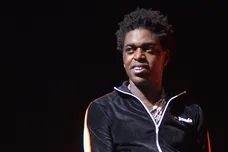



A missed filing deadline has become the latest twist in Kodak Black's Orange County criminal case. The rapper's attorney has argued the delay should end the court-ordered restrictions tied to his release. Kodak was arrested on May 6 on a charge of trafficking MDMA after Orange County investigators secured a warrant stemming from a November 2024 investigation. This week, defense attorney Bradford Cohen asked a judge to release the rapper from his bond and all pretrial conditions. He claimed prosecutors failed to meet the deadline established under Florida Rule of Criminal Procedure 3.134(b).
According to the motion, per WESH 2 News, more than 60 days had passed since Kodak's arrest without prosecutors filing an information or indictment. Under Rule 3.134(b), the state generally has 60 days to formally charge defendants who have been released before trial. Cohen argued that because the deadline has expired, the rapper should either be released on his own recognizance without bond conditions or remain subject to no more than an additional 30 days of pretrial supervision if prosecutors intend to continue pursuing the case.
Read More: Kodak Black Arrested In South Florida On Fleeing & Resisting Charges
Details About The Case
The criminal case stems from an Orlando police investigation near Mercy Drive and Fairvilla Road after officers responded to reports of gunfire. According to the arrest affidavit, investigators searched two SUVs at the scene after approaching one vehicle and detecting the smell of cannabis. Police alleged they recovered marijuana and MDMA from the vehicles, including approximately 25 grams of MDMA from a Lamborghini. Under Florida law, 14 grams meets the statutory threshold for an MDMA trafficking charge.
Those findings ultimately led authorities to seek an arrest warrant for Kodak. He surrendered on May 6 before posting a $75,000 bond the following day. He has remained out of custody while complying with the conditions of his pretrial release. Meanwhile, Cohen's latest filing does not ask the court to dismiss the case or dispute the evidence outlined in the arrest affidavit. Instead, it focuses solely on whether prosecutors complied with the procedural timeline required under Florida law. The court has not yet ruled on the defense's request, and as of the filing of the motion, prosecutors had not formally filed charges in the case.