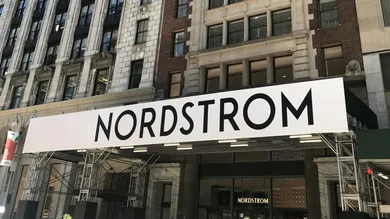


Chrome Hearts has filed a lawsuit against Nordstrom for selling products that copy its signature cross designs. The complaint was filed on June 4th in California federal court. At the center of the case is a Cotton On Men's Stud Belt sold through Nordstrom, covered in cross studs that look nearly identical to Chrome Hearts most recognizable hardware.
The complaint covers belts, jewelry, and other accessories that Chrome Hearts says borrow directly from its protected cross imagery. The brand has used its CH Cross and CH Plus designs for decades. Those symbols have become closely tied to the Chrome Hearts name across fashion and streetwear.
The argument is that customers could reasonably think those Nordstrom products were connected to the brand. That confusion hurts the label's identity and the value of its designs. The brand is asking the court to award damages and stop Nordstrom from selling the disputed items going forward.
This lawsuit is part of a broader pattern. They went after Shein just two months before filing against Nordstrom. Taking on a major department store sends a different message than targeting a fast fashion app.
Nordstrom was allegedly selling and marketing the infringing products both online and in physical store locations. Chrome Hearts is clearly drawing a hard line on where its designs can and cannot show up.
Chrome Hearts Suing Nordstrom
The Cotton On belt at the center of this lawsuit sells for a fraction of what Chrome Hearts charges for its own leather goods. Further, that price gap is part of why Chrome Hearts views this as damaging.
Customers who pick up the Cotton On version at Nordstrom may associate the cross stud design with Chrome Hearts without buying the real thing. Also tat kind of association can weaken a brand's identity over time. Chrome Hearts has spent decades building its cross motifs into something instantly recognizable across fashion, music, and celebrity culture.
Those cross designs carry real market value because of that history. Also worth noting, Nordstrom was actively marketing the products on social media. That detail strengthens Chrome Hearts' argument that the infringement was not accidental. It was visible and ongoing.