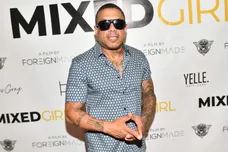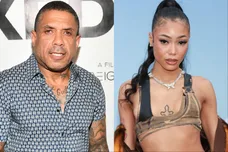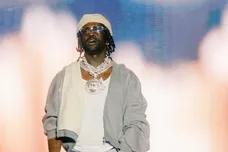
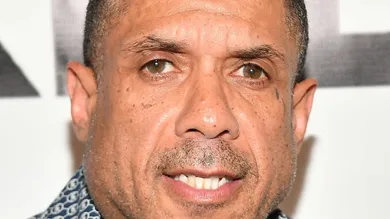


Rapper and TV reality star Benzino has raised constitutional concerns over the ongoing leak of Young Thug’s Cobb County Jail phone calls, suggesting that government actors may be responsible for distributing the recordings.
In a video posted online September 6, Benzino questioned the legality of the repeated disclosures, which have circulated widely on social media in recent weeks. “What I’m more surprised at and more kind of pissed off at is, how the fuck is this even constitutional that a prison, which is part of the system, right? can leak private phone calls,” he said.
The leaked calls took place while Young Thug, real name Jeffrey Williams, was detained on RICO charges from May 2022 to October 2024. Jail calls are legally monitored, but their public release is uncommon outside of formal court filings.
Benzino suggested that the lack of watermarks on the clips indicated they were not purchased by media outlets such as TMZ. “I guarantee the government’s leaking them, because they know what they’re doing,” he added, alleging that federal and state communications staff monitor online platforms to shape public narratives.
Benzino Blames Young Thug Leaks On The Government
Benzino described the published conversations as ordinary and non-incriminating, arguing their release undermines both privacy and due process. “He’s not talking about no drug shit. Not talking about murdering anybody. He’s just talking about regular shit that everybody talks about,” he said.
Coi Leray’s father also criticized the public’s reaction. He contended that fans were more invested in the spectacle of leaked content than in Young Thug’s music. “You mother fuckers can’t wait to hear the next phone call. But then judge and criticize and condemn the mother fucker doing it,” Benzino said.
The remarks highlight a larger debate over whether the dissemination of monitored inmate communications—outside official proceedings—violates constitutional protections. Prosecutors have not addressed the source of the leaks. The controversy builds tension between transparency, legal procedure, and digital virality.
Benzino concluded his comments with an appeal for empathy and restraint. “We gotta stop judging, man,” he said, framing the matter as both a cultural and constitutional concern.