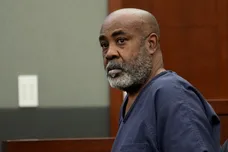
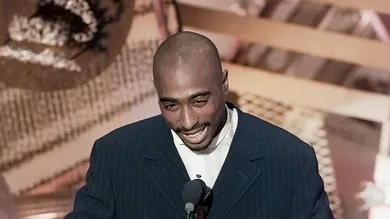


The death of Tupac remains one of hip-hop's biggest unsolved mysteries, but that might change with the upcoming murder trial of longtime suspect Duane "Keefe D" Davis. According to a CBS 8 News Now - Las Vegas report, the judge in the case allowed for Keefe's book Compton Street Legend to be used as evidence in court proceedings.
Keefe D's lawyers tried to prevent this, as well as the admittance of Los Angeles Police Department interviews as evidence in the trial. He claims he had an agreement with the LAPD to keep police interviews off legal records, and he and his legal team claimed the book is pure fiction that a jury should not examine.
But prosecutors reportedly argue the book voided that agreement. Compton Street Legend reportedly details Keefe's alleged role in orchestrating the murder of the Death Row rapper.
Read More: The 25 Best Rap Albums Of 2026 So Far
Keefe D's Trial
However, the door is reportedly still open when it comes to the police interviews and sequestering the jury. The jury trial will reportedly begin later this summer, specifically on August 10. We will see what evidence enters the courtroom by the time proceedings begin.
Elsewhere, other claims about Keefe D's alleged Tupac confessions have surfaced. For example, a report emerged claiming audio tapes of Keefe's jail calls feature him allegedly bragging about orchestrating the murder. No official reports on whether or not prosecutors will use that as evidence have emerged at press time.
Also, Keefe D received a wrongful death lawsuit from 'Pac's stepbrother, Maurice "Mopreme" Shakur, on behalf of his father's estate. The suit references multiple anonymous alleged co-conspirators and seeks damages for the 1996 incident.
For years, Duane Davis has toed the line between standing by his side of the story and backtracking it as fabrication. Where the truth really lies is up for the jury to decide with whatever evidence they have in front of them.
As for next steps, the police interviews and other alleged confessions from Keefe D are next to decide on concerning admissible evidence. But Keefe's lawyer believes the state is scrambling if they resort to these statements to prove culpability beyond reasonable doubt.