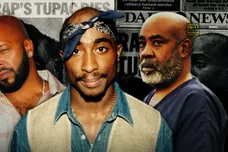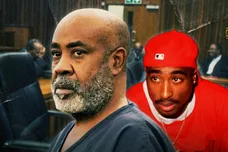


A memoir sold as an inside account of one of Hip Hop’s most notorious unsolved murders is about to be read very differently in a Las Vegas courtroom. Compton Street Legend, the 2019 book co-written by Duane “Keefe D” Davis, can be used against him as prosecutors try to prove that he helped orchestrate the 1996 killing of Tupac Shakur. A judge cleared the book for trial in June, rejecting the defense’s attempt to keep its contents away from jurors.
The book is significant because Davis did more than discuss the mythology surrounding Tupac’s death. He placed himself inside the white Cadillac that prosecutors say pulled alongside Tupac and Suge Knight on September 7, 1996. Davis wrote that he obtained a gun before it was passed into the back seat, where Orlando Anderson and Deandrae Smith were allegedly sitting. He stopped short of identifying which man fired.
That distinction does not necessarily help him. Prosecutors are not required to prove that Davis personally pulled the trigger. Their case is that he was the “shot caller” who helped arrange retaliation after Tupac and members of the Death Row entourage attacked Anderson, Davis’ nephew, inside the MGM Grand earlier that night. Davis has pleaded not guilty to murder with a deadly weapon with the intent to promote, further, or assist a criminal gang.
Read More: Inside The Tupac Murder Trial: 11 Key Players To Know
The Memoir That Changed The Investigation
Clark County Chief Deputy District Attorney Marc DiGiacomo has previously made clear how consequential the memoir became to the case. “Had he decided to never write the book, he would not, probably, have ever been prosecuted for the crime,” DiGiacomo said, according to NewsNation.
Compton Street Legend also gives Davis’ version of what happened immediately before the shooting. He claimed Tupac suddenly reached beneath his seat as the Cadillac approached. “Tupac made an erratic move and began to reach down beneath his seat,” Davis wrote. He then described someone in the back seat taking the gun and opening fire. Authorities have said no weapon was recovered from the BMW carrying Tupac and Knight.
Read More: Suge Knight Among Witnesses Listed In Keefe D's Tupac Murder Trial
The defense now faces the unusual task of asking jurors not to place too much faith in a story Davis once helped sell as his own. Attorney Michael Sanft argued before trial that the memoir had been fictionalized for profit and questioned which portions could actually be attributed to Davis rather than the book’s co-writer. The judge was not persuaded. In allowing the memoir into evidence, she found that Davis had adopted its statements as his own, including by publicly encouraging people to buy the book to learn what he described as the “real truth.”
The book will not stand alone. Prosecutors can also use a recorded 2008 interview in which Davis discussed the shooting with investigators. His attorneys argued that he believed those statements were protected by an agreement connected to his cooperation with law enforcement. Davis even addressed the arrangement in Compton Street Legend, writing, “I sang because they promised I would not be prosecuted.” Kierny ultimately ruled in late July that the interview could be heard at trial.
Nearly 30 years after Tupac was fatally shot, jury selection in Davis’ trial began August 10. Prosecutors say the cold case was reinvigorated after Davis began publicly discussing his involvement, including through interviews and his memoir. He was arrested in 2023 and remains the only person ever charged in connection with Tupac’s murder.