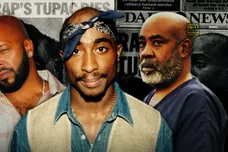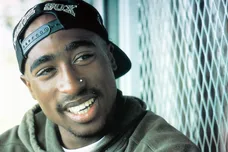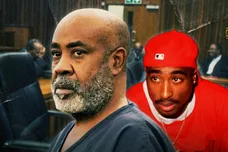


One of the most anticipated Hip Hop murder trials has launched, now that jury selection is underway in Las Vegas for the first murder prosecution ever brought in Tupac Shakur’s 1996 killing. Roughly 75 prospective jurors were summoned Monday as attorneys began determining who can fairly hear a case that has generated three decades of headlines, documentaries, interviews, and competing theories. The selection process could take several days, while the trial itself is expected to run about a month.
Duane “Keffe D” Davis, 63, has pleaded not guilty to murder with a deadly weapon. Prosecutors do not accuse him of firing the shots that killed Tupac. Instead, they describe him as the “shot caller” who helped organize a retaliatory attack after Tupac and members of the Death Row Records entourage beat Davis’ nephew, Orlando Anderson, inside the MGM Grand on September 7, 1996.
Hours after the casino fight, a white Cadillac pulled alongside the BMW driven by Suge Knight near the Las Vegas Strip. Tupac was sitting in the passenger seat when someone inside the Cadillac opened fire. He was struck four times and died six days later at 25. Knight was wounded but survived. Prosecutors say Davis was riding in the Cadillac with Anderson and two other men.
Read More: Keefe D Says He Won't Take Plea Deal In Tupac Murder Trial
Keefe D's Own Words Used Against Him
The case reaching a jury in 2026 is largely built around things Davis said himself. Authorities had considered him a suspect for years but said they lacked enough evidence to charge him. That changed as Davis began discussing the shooting publicly. In interviews and his 2019 memoir, Compton Street Legend, he placed himself in the front passenger seat of the Cadillac. He also described obtaining a gun before passing it toward the men seated behind him. The three other alleged occupants have since died.
Those statements will now become part of the courtroom fight. Davis’ attorneys argued that a detailed 2008 interview with authorities should be excluded because it was given under an agreement protecting his cooperation. Judge Carli Kierny ruled in July that prosecutors may play the recording for jurors. The defense has also argued that Davis embellished stories about Tupac’s murder for money and attention.
The prosecution does not have to establish which man in the back seat fired the weapon in order to convict Davis. Nevada law allows someone accused of knowingly participating in a murder plot to be held criminally responsible even when another person carried out the shooting. That will put the focus on whether prosecutors can prove Davis helped set the attack in motion.
Read More: Tupac Murder Case: Keefe D Wants An Apology From Law Enforcement
Further, Suge Knight could become one of the trial’s most closely watched witnesses because he was sitting beside Tupac when the shooting happened, although it remains unclear whether he will testify. Prosecutors have included him among the potential witnesses, while Knight has publicly resisted participating.
Outside the courthouse Monday (August 10), William Lesane, who identified himself as Tupac’s cousin, described the proceedings as the culmination of 30 years of pain for the family. Davis faces a possible sentence of life in prison without parole if convicted. Jury selection will continue before opening statements begin in Clark County District Court.