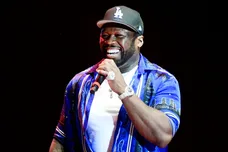
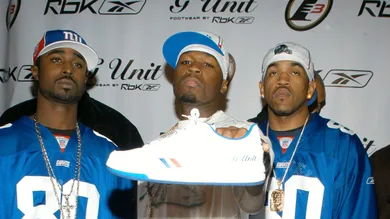


The Reebok G-Unit G6 just sold out in under two hours. 23 years after it first hit shelves, people are still lining up for this shoe.
That doesn't happen by accident. It happens when a sneaker is built on something real. Here's the full story of how 50 Cent and Reebok pulled off one of the most important deals in sneaker history.
Hip-Hop Sneaker Culture Before 50 Cent
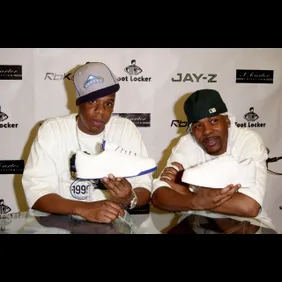
In April 2003, Jay-Z and Reebok released the S. Carter, the first signature sneaker ever made for a non-athlete entertainer. It was Reebok's best-selling shoe at that point, selling out almost immediately after launch. The industry sat up and paid attention. But it was still a one-man story. Nobody had figured out what a full group-branded sneaker line could look like... yet.
There was also a bigger business context behind all of it. 50 Cent said in a 2012 interview that both the S. Carter and G-Unit deals were Reebok's direct response to losing the bidding war for LeBron James to Nike. Reebok needed a new lane, and hip-hop was the answer. Jay-Z opened the door, but 50 Cent really put the brand's sneakers on the map.
The $20 Million Deal Nobody Saw Coming
Reebok signed 50 Cent to a 5-year licensing deal, with Forbes reporting Reebok paid $20 million for the arrangement. At the time, 50 was the hottest rapper on the planet following the success of Get Rich Or Die Tryin'.
Interestingly, 50 told Complex there was no bidding war, and Reebok was always the intended partner. "We were both doing things differently, so the partnership made sense," he said.
The deal was structured around the G-Unit brand rather than just 50 Cent as a solo. That distinction mattered. It meant the whole G-Unit crew was part of the story. Suddenly this wasn't just one rapper with a shoe. It was a label, a movement, and a business wrapped into one sneaker line.
The G-Unit G6 And What Made It Different
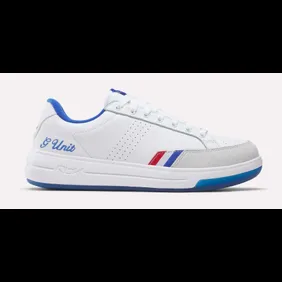
The G6 launched in 2003 as a basketball-inspired silhouette that helped connect hip-hop, street culture, and footwear in a way that hadn't been done before. The design was clean and accessible.
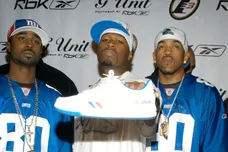
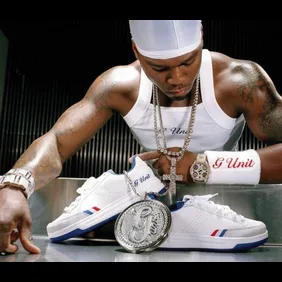
White leather upper, grey suede toe cap, red, white, and blue accents, a silver G-6 lace dubrae, and cursive G-Unit embroidery on the lateral heel. It wasn't trying to be a performance shoe. It was a street shoe built for the style 50 was creating
The launch party happened November 4th, 2003, at Capitale in New York City. The initial production run quickly sold out in key markets. What separated the G6 from the S. Carter wasn't necessarily the design. It was the scale of the audience behind it. G-Unit had built one of the most devoted fan bases in hip-hop, and every one of those fans wanted the shoe.
The Numbers That Proved Everyone Wrong
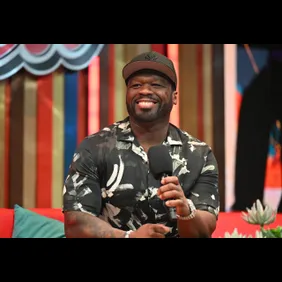
Reebok saw an 11% sales jump in 2003, driven directly by their Jay-Z and 50 Cent partnerships. Those numbers alone were enough to change how the industry thought about hip-hop deals.
Then 50 went further. On Revolt TV, he claimed the G6 outsold the S. Carter six to one, saying, "I made over $80 million during the Reebok time period. If I'm lying, I'm flying." It's worth noting that Reebok has never officially confirmed those figures. But the broader point stands: the G6 moved serious numbers.
Beyond the sales, the deal proved something more important. A rapper didn't need to be Michael Jordan to sell sneakers at scale. They just needed to be culturally relevant and connected to their audience, and 50 Cent was both.
What The Deal Created
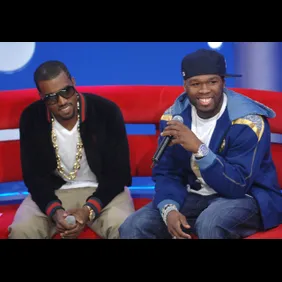
50 Cent told Complex, "The G6 created a whole new category in sneaker culture and opened up new opportunities in the music space. It gave hip-hop artists a platform to go beyond being just artists."
The Reebok RBK wave that followed with Nelly, Daddy Yankee, Pharrell, and Lupe Fiasco was built directly on the foundation the G6 helped prove was actually viable.
And the influence didn't stop at Reebok. Every major artist signature deal that followed across every brand traces a line back to what happened in 2003. Before the G6, rapper-backed kicks were a rarity. After it, they became an industry baseline.
Overall, Kanye's Yeezys, Travis Scott's Jordan collabs, Kendrick Lamar's Nike work... none of it happens the same way without 50 Cent and Reebok proving how vast the market is in the first place.
The 2026 Return Sold Out
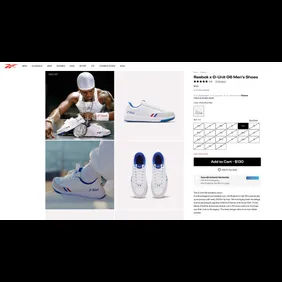
The G6 returned August 20th, 2026, at $130, in its original red, white, and blue colorway and a 1:1 recreation of the 2003 original straight from the Reebok archive. The build is exactly what fans wanted. White leather upper, grey suede toe cap, silver G-6 lace details, tri-color heel tab, cursive G-Unit heel embroidery, and that translucent icy outsole.
No updates, no modern tweaks. Just the original shoe done right and brought back. In a world of re-runs and returns, seeing an original shoe comeback just the way it was is comforting.
Inventory on Reebok.com, JD Sports, and Finish Line was completely gone in under 2 hours. Resale prices on StockX and GOAT jumped immediately, with pairs trading between $148 and $300 depending on size. 50 celebrated by posting a video on Instagram taunting Rick Ross with his classic "Sold out, fat boy" line, giving full credit to New York for driving the demand.
50 told Footwear News he knew they had something big back in 2003, but couldn't have predicted the response 20 years later. "The fans kept it alive. That means a lot to me." No restock has been announced yet, but given the immediate sellout, additional colorways feel inevitable. The G6 is back. And based on everything that happened this week, it never really left.