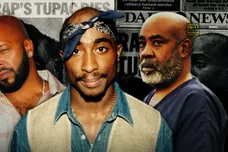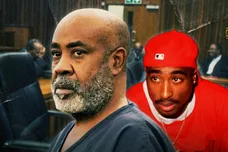
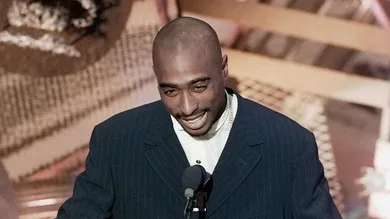


An FBI report entered into evidence at Duane “Keefe D” Davis’ murder trial is giving jurors a closer look at the violent end of Orlando Anderson, the man long suspected of firing the shots that killed Tupac Shakur. Retired FBI agent Wade Lee testified Wednesday about information Davis provided federal investigators in 1998, including his account of the Compton shootout that killed his nephew less than two years after Shakur’s death.
The material comes from an interview Davis gave while facing an unrelated federal drug case. According to AllHipHop, Lee’s notes documented information about South Side Compton Crips, rival gang conflicts, and people surrounding Davis at the time. The interview itself is notable for the contrast between what Davis said then and what he would say publicly years later. During the 1998 session, Davis denied involvement in Shakur’s killing. His subsequent interviews and 2019 memoir, Compton Street Legend, placed him inside the white Cadillac from which the fatal shots were fired and described him obtaining the gun used in the attack. Prosecutors are now relying heavily on those later statements to make their case.
Read More: Keefe D Calls Witness A "F*ckin Rat" Under His Breath In Court
Longstanding Lore About Orlando Anderson
Anderson sits at the center of both versions of the story. Hours before Shakur was shot on September 7, 1996, surveillance footage captured the rapper, Suge Knight, and others attacking Anderson inside the MGM Grand. Prosecutors say that beating supplied the motive for retaliation. Davis later wrote that he was riding with Anderson, Deandre Smith, and Terrence Brown when they encountered Shakur and Knight on the Strip. He has said he passed a gun toward the back seat and identified Anderson as the shooter. Anderson denied killing Shakur and was never charged. Other testimony has complicated that claim over the years, including a grand jury witness who identified Smith, not Anderson, as the gunman.
The 1998 FBI notes introduced at trial move beyond Las Vegas and into Anderson’s own death. According to Davis’ account, Anderson encountered members of a rival Crip faction at a Compton car wash on May 29, 1998. Gunfire broke out, and Anderson returned fire before leaving the scene. He was wounded during the exchange and later died. Two other men, Gerry Stone and Michael Stone, were also killed.
Anderson’s death eliminated one of the few men who could have directly answered investigators’ questions about what happened inside the Cadillac. The other men prosecutors place in that vehicle, Smith and Brown, have also since died. Davis is the only surviving occupant, leaving his own shifting accounts unusually important to a prosecution brought nearly three decades after Shakur was killed. Davis has pleaded not guilty to murder with a deadly weapon with the intent to promote, further or assist a criminal gang. He faces life in prison if convicted.