

Not every Air Jordan release gets praise from the sneaker community. Some drops spark immediate debate the moment they're announced, dividing sneakerheads into passionate camps on opposite sides.
Whether it's design changes to beloved classics, pricing that feels out of reach, materials that miss the mark, or concepts that swing too far in one direction, controversy is part of sneaker culture. These debates rage across social media, in sneaker store lines, and at conventions.
Some controversial releases eventually win people over with time, while others remain polarizing forever. The sneakers on this list didn't just release and fade into the background. They sparked conversations, arguments, and genuine division in a community that's usually united by love for the game.
Here are the 8 most controversial Air Jordan releases that divided sneakerheads...
Read More: Every Air Jordan Dropping In March 2026
8. Air Jordan 6 "Gatorade"
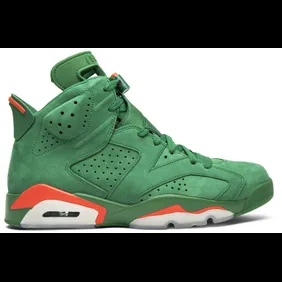
The Air Jordan 6 "Gatorade" lands at 8 with its bold green suede and orange branding that split the community down the middle. This release celebrated MJ's iconic "Be Like Mike" Gatorade campaign from the 90s with bright green covering the entire upper.
Orange Gatorade lightning bolt branding on the heel made the inspiration crystal clear. The divisiveness came from the aggressive color palette that felt too loud for some collectors. Purists argued that corporate branding shouldn't dominate an Air Jordan silhouette this heavily.
Others loved the nostalgic throwback to one of the most memorable ad campaigns in sports history. The suede quality was premium, and the execution was clean, but the concept itself sparked debate.
Some saw it as a fun tribute. Others felt it crossed the line into gimmick territory. Either way, the Gatorade remains divisive years later.
7. Air Jordan 1 "Not For Resale"
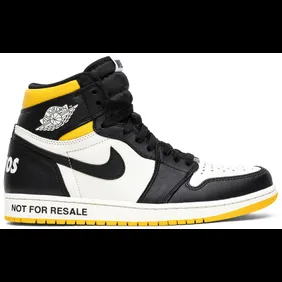
The Air Jordan 1 "Not For Resale" claims 7th with irony that sneakerheads couldn't ignore. This pack featured "NOT FOR RESALE" printed directly on the midsole and lateral quarter panel in bold text.
The anti-resale message was Jordan Brand's attempt to address the secondary market problem plaguing sneaker culture. The controversy erupted immediately when pairs hit resale platforms for massive markups within hours of release.
Sneakerheads called out the hypocrisy of an anti-resale message on shoes that were intentionally made limited. The colorways themselves were clean, featuring varsity red and yellow blocking on classic white bases.
But the messaging felt hollow when the distribution strategy guaranteed resale market dominance. Some appreciated the statement Jordan Brand tried to make about sneaker culture's problems. Most just found the whole situation frustratingly ironic and performative.
6. Air Jordan 2 "Don C"
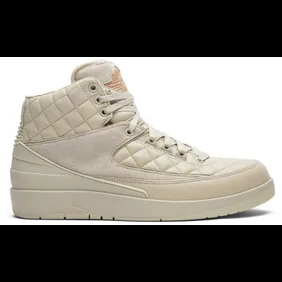
The Air Jordan 2 "Don C" sits at 6 with a $650 retail price that shocked the sneaker world. Don C's collaboration brought premium quilted leather and luxury packaging to the often-overlooked Air Jordan 2 silhouette.
Cream-colored quilted leather covered the entire upper with matching tonal laces and midsole. The materials were genuinely high-end, and the craftsmanship was impeccable throughout the shoe. But the $650 price tag made sneakerheads question where Jordan Brand was heading with pricing.
The debate centered on whether premium materials justified more than doubling the cost of standard retros. Some argued the quality matched the price, while others felt it was exploitative. The special packaging and extra accessories added value, but not enough for many collectors.
This release represented a turning point in how Jordan Brand approached pricing on collaborations. The Don C remains a symbol of luxury pricing creeping into sneaker culture.
5. Air Jordan 1 "Top 3"
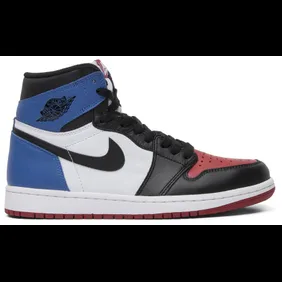
The Air Jordan 1 "Top 3" breaks into the top 5 by mixing three sacred colorways onto one shoe. This release combined elements from the Chicago, Bred, and Royal colorways in a patchwork design. The right shoe featured Chicago blocking, while the left shoe mixed Bred and Royal elements asymmetrically. Jordan Brand called it a tribute to MJ's first three championship seasons in iconic Air Jordan 1 colorways.
Purists immediately argued that these colorways should never be mixed or diluted. The debate got heated between those who saw creative homage and those who saw disrespect. Some loved the bold design choice and the storytelling behind the concept.
Still, a lot of sneakerheads refused to accept anything less than clean OG blocking on these legendary colorways. The materials were solid, and the execution was technically well done. But mixing Chicago, Bred, and Royal on one shoe felt wrong to a large portion of the community.
4. Air Jordan 1 "Satin Shattered Backboard"
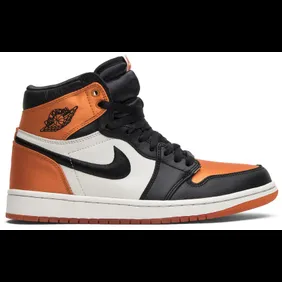
The Air Jordan 1 "Satin Shattered Backboard" sits at 4 with women's-exclusive sizing that sparked outrage. This release took the beloved Shattered Backboard colorway and reimagined it with luxurious satin materials throughout.
The orange, black, and white blocking remained faithful to the original leather version from 2015. But Jordan Brand only produced this in women's sizing, maxing out at a men's size 10.5.
Male sneakerheads with larger feet felt completely excluded from one of the year's most anticipated releases. The debate exploded around gender-exclusive releases and who they were actually designed to serve.
Some argued that women deserved exclusive access to premium releases after years of being ignored. Yet there were still some who felt that beloved colorways should be accessible to everyone regardless of gender or size.
The satin material choice also divided opinions between those who loved the luxury and those who preferred leather. This release highlighted ongoing tension around inclusivity in sneaker releases.
3. Air Jordan 11 "Concord" (2018)
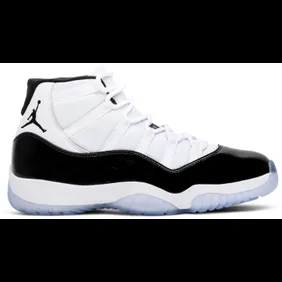
The Air Jordan 11 "Concord" claims the 3 with design changes that divided purists and modern fans. This 2018 retro featured higher-cut patent leather designed to match the original 1995 construction more closely.
Jordan Brand also brought back the "45" heel branding instead of the "23" that had appeared on previous retros. The higher patent leather cut was polarizing because it looked different from the Concords people had grown accustomed to.
Some praised Jordan Brand for returning to OG specs after years of modified retros. Others preferred the lower-cut patent leather from 2000s releases that had become the standard. The "45" vs "23" debate added another layer of controversy to an already divided release.
Sneakerheads argued about which version was more "authentic" to MJ's legacy. Some loved that Jordan Brand was trying to get closer to the 1995 original. Others felt the changes were unnecessary and preferred the familiar retro proportions.
2. Air Jordan 1 "Dior"
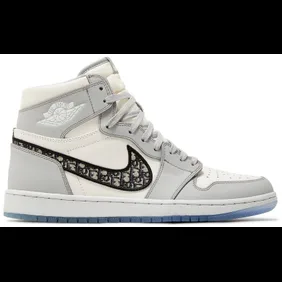
The Air Jordan 1 "Dior" takes 2 with luxury fashion pricing that felt extreme. This collaboration between Jordan Brand and Dior featured grey leather with the iconic Dior oblique pattern on the swoosh.
The $2,000 retail price and extremely limited 8,500-pair production run made this instantly unattainable for most. The controversy centered on Jordan Brand partnering with high fashion to create something the average fan couldn't access.
Sneakerheads debated whether Jordans were still "for the culture" when they cost as much as rent. The raffle system heavily favored Dior's existing wealthy clientele over longtime Jordan collectors.
Some appreciated the craftsmanship and the crossover between sneakers and high fashion. Most felt abandoned by a brand that built its legacy on accessibility and basketball roots.
The resale prices immediately hitting $10,000+ reinforced how far removed this was from regular releases. The Dior collaboration symbolized everything divisive about modern sneaker culture's luxury turn.
1. Air Jordan 1 "Banned" (2013)
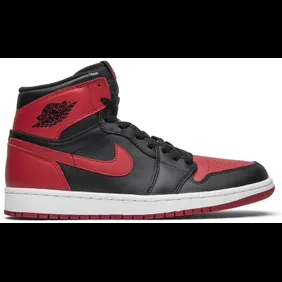
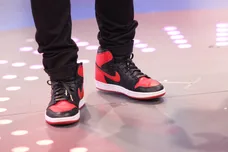
The Air Jordan 1 "Banned" tops the list at 1 with the X debate that still goes on today. This 2013 release of the black and red Air Jordan 1 removed the "X" stitching on the heel. The 2011 version had featured the "X" as a nod to the shoe being "banned" by the NBA.
Removing it in 2013 sparked immediate controversy about authenticity and what makes a "Banned" colorway. Sneakerheads split into camps arguing which version was more true to the 1985 original.
Some insisted the X was unnecessary since the original never had it anyway. Others felt removing the X made it just another "Bred" and not truly a "Banned" release. The debate extended to whether Nike was just creating artificial scarcity through minor changes.
Every subsequent black and red Air Jordan 1 release reignites this same argument in the community. The Banned X debate became shorthand for how small details can divide sneakerheads completely.