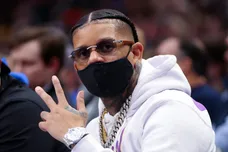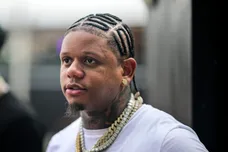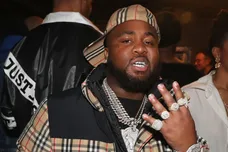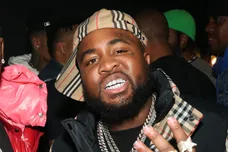
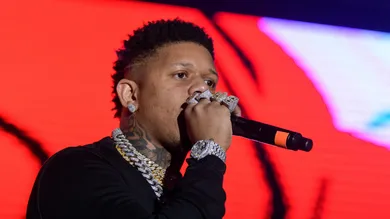


A $40,000 cash withdrawal is now part of the evidence prosecutors are using to support their claim that Yella Beezy financed the murder of fellow Dallas rapper Mo3. Detective Eric Barnes testified Wednesday in Kewon White’s murder trial that financial records showed Beezy, whose legal name is Markies Conway, withdrew the money on Nov. 20, 2020, nine days after Mo3 was gunned down on Interstate 35E. Barnes said investigators believe Beezy and Trapboy Freddy funded the alleged hit, telling jurors, “They’re the individuals that made payments for Mo3’s death,” according to XXL.
Prosecutors have not presented the withdrawal as proof that the full $40,000 went to White. Their theory involves an alleged payment chain. Barnes testified that investigators believe Beezy later met with Trapboy Freddy and Jerry Johnson, whom prosecutors have described as a middleman. Jurors were shown a text message that investigators say referenced that meeting. During opening statements, prosecutors separately alleged that cellphone evidence supports their claim that White ultimately received $20,000 to kill Mo3, according to NBC 5.
Read More: Yella Beezy Songs To Be Used In Mo3 Murder-For-Hire Trial
Prosecutors Are Carefully Piecing Together Their Timeline
Barnes also placed Trapboy Freddy near the top of what investigators believe was the structure behind the alleged plot, but the case against him is notably different. The detective testified that investigators believe Freddy contributed money, although they have not located financial records documenting a payment from him. Freddy has not been charged in Mo3’s killing. Barnes told jurors he was not surprised investigators failed to find a conventional paper trail because Freddy was known to police as a drug dealer. That testimony remains part of the prosecution’s theory rather than a finding that Freddy participated in the murder.
The financial evidence gives prosecutors something more concrete to place beside the feud they say motivated the shooting. Beezy and Mo3 had publicly traded shots before Mo3’s death, and investigators have spent years examining music and social media posts they believe speak to that hostility. A Dallas judge ruled this summer that some songs could be played at trial, although other lyrics prosecutors wanted to use as evidence of motive were excluded. Beezy’s attorneys have argued that Rap lyrics are performance rather than literal admissions. Detective Barnes previously testified that investigators turned to music and social media because people connected to the dispute were unwilling to cooperate, per FOX 4.
Read More: Yella Beezy Trial Puts Rap Lyrics Back At Center Of Courtroom Debate
White is the first defendant being tried in the alleged murder-for-hire plot. Prosecutors accuse him of following Mo3, whose legal name was Melvin Noble, before chasing him on foot and fatally shooting him on the freeway in Nov. 2020. Devin Brown is also charged in the case and is accused of helping coordinate the killing. All three defendants have pleaded not guilty.
Beezy is not currently the defendant facing White’s jury, but testimony at White’s trial is already previewing the evidence prosecutors intend to use when Beezy eventually faces his own trial.