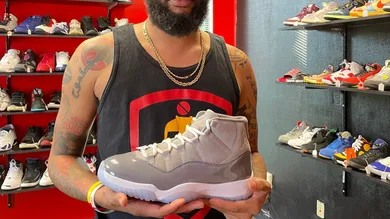


The Air Jordan 11 is one of the most loved sneakers ever made. It is also one of the most chaotic. Over 3 decades, this shoe has led to NBA fines, fights in stores, and an $80 million fraud case. Few sneakers have caused as much drama as the 11. Here is a look at the biggest controversies in its history:
The $5000 Fine
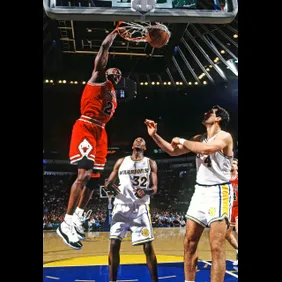
The first controversy started with Michael Jordan himself. In 1995, he came back from retirement wearing the Air Jordan 10. By the playoffs against Orlando, he wanted to wear a new shoe. That shoe was the Air Jordan 11, and it was still a prototype.
Because his teammates wore black footwear for the playoffs, Jordan’s white-and-black sneakers violated the league’s strict uniform policy. After receiving a warning in Game 1, MJ wore them again in Game 2, drawing a $5,000 fine.
The story goes that he cut Penny's "1" off the heel, and Hardaway even confirmed it. He went back to a black pair for Game 4, and Orlando won the series.
The fine only made the shoe more popular. When Jordan first saw the design, he joked that people would wear it with tuxedos. Nike ran with that idea and sold the "Concord" as formal sneakers for your feet. Soon, fans were wearing them to proms, galas, and red carpet events. That mix of sport and style is a big reason the 11 still stands out today.
The 2011 "Concord" Stampedes
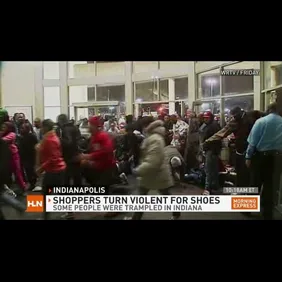
The "Concord" came back in 2000, and the 11 slowly became a December tradition. The "Cool Grey" followed in 2010 for $175. Then the "Concord" returned in 2011 for $180, and things got out of control fast.
Lines formed hours before stores opened, and the trouble spread from Washington state to Georgia. Near Seattle, police used pepper spray on a crowd of more than 1,000 people. In Jersey City, a 20-year-old man was stabbed while waiting in line at a mall. In Richmond, California, a gunshot went off near a mall around 7 AM, and the crowd was turned away. Further, a kid was trampled at a Foot Locker in Michigan, and 2 stores in Austin closed early.
Nike put out a statement saying consumer safety was very important. Still, the damage was done. People were fighting over a $180 sneaker, and the whole country saw it.
The "Gamma Blue" Fights
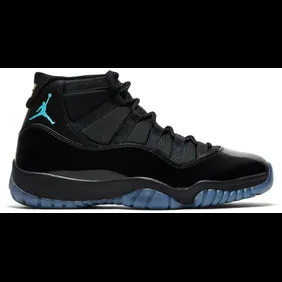
Two years later, the "Gamma Blue" brought the same problems back. The December 2013 release cost $185 and caused fights in stores across the country. One crowd even started fighting outside a Bronx Foot Locker. By then, the recurring theme was hard to ignore.
The same period also led to a push for change. After her son's death, one mother started Life Over Fashion to warn parents about the dangers of Jordan release events. The campaign also asked Nike to change how it releases these shoes. It showed that sneaker violence was a real problem and not just part of the culture.
The hype never slowed down. By 2016, the "Space Jam" 20th anniversary retro came with the same long lines and crashed websites at $220.
The "Cool Grey" And The Zadeh Kicks Collapse
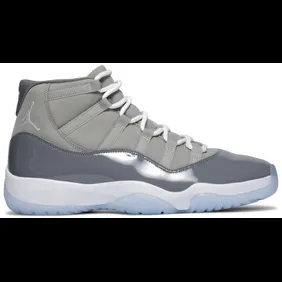
The strangest controversy has nothing to do with the court or a mall line. It involves a sneaker reseller in Oregon. Michael Malekzadeh ran Zadeh Kicks, one of the biggest sneaker resale shops in the country. His plan was simple but risky. He took big presale orders for hyped sneakers at low prices, then rushed to fill them. Prosecutors say he knew he could not fill every order.
Then the Air Jordan 11 "Cool Grey" arrived, and Bloomberg reported that the drop brought down the whole business. By April 2022, Zadeh Kicks owed customers more than $65 million in sneakers they never received.
Former customers started showing up at a warehouse in Eugene looking for their shoes or their money. The building held almost 60,000 boxes of inventory, and local media reported that shots were fired at one point.
Prosecutors say Malekzadeh and his CFO also used false records to get more than $15 million in bank loans. He pleaded guilty in March 2025, and in January 2026 he was sentenced to 70 months in federal prison. He must also give up more than $15 million in assets.
Federal prosecutors put the total scheme at $80 million. The "Cool Grey" did not cause the fraud. It just showed how risky a hyped Jordan release can get.
What This All Says About Sneaker Culture
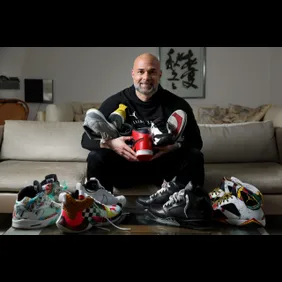
Put together, these stories show how wild sneaker hype can get. It started with a fine for one superstar and ended with an $80 million fraud case. In between, shoppers got hurt just trying to buy a pair.
The good news is that scenes like 2011 and 2013 have not been making headlines lately. Nobody should get pepper sprayed or stabbed over a pair of sneakers. Honestly, that is a win for the culture.
Now Nike is making a big change. On its October earnings call, CEO Elliott Hill admitted Jordan Brand has been oversupplying its retros. Over the last 12 months, Jordan averaged 10 retro releases a month, and some months hit 19.
Hill said fewer retros are coming in 2027. He also said Jordan Brand wants to get back to the scarcity model it created. Scarcity is a big reason these shoes get people so fired up.
Fewer pairs on shelves could make every drop feel special again. It could also bring back some old problems if demand outruns supply. Either way, we are hoping we get the hype without the chaos.